
How to Choose the Right Custom Home Builder
Building a custom home is an opportunity to create a space around the way you actually live. From the layout and materials to the finishing details, the process allows homeowners to make choices that may not be possible with a predesigned house.
Choosing the right professional to guide that process is just as important as choosing the property itself. A custom home builder can influence the quality, communication, timeline, and overall experience of bringing your plans to life.
The right choice starts with understanding what to look for before signing an agreement. By evaluating experience, communication, construction practices, design capabilities, and overall compatibility, homeowners can make a more informed decision and approach the project with greater confidence.
Evaluate Relevant Experience
Experience should be one of the first things homeowners consider when comparing potential builders. Custom construction requires coordination across many stages, and experience can help a builder anticipate challenges before they become larger problems.
Look for a professional with experience completing homes similar to the type of property being considered. Factors such as architectural style, lot conditions, desired finishes, and overall scope can all affect the construction process.
A builder who regularly works on custom projects may also understand how to manage the many decisions that come with creating a personalized home. Ask about previous projects and whether the builder can provide examples that reflect the desired level of customization.
Experience does not simply mean being in business for a long time. It also means having relevant knowledge and a history of handling the type of project being planned.
Review Previous Projects
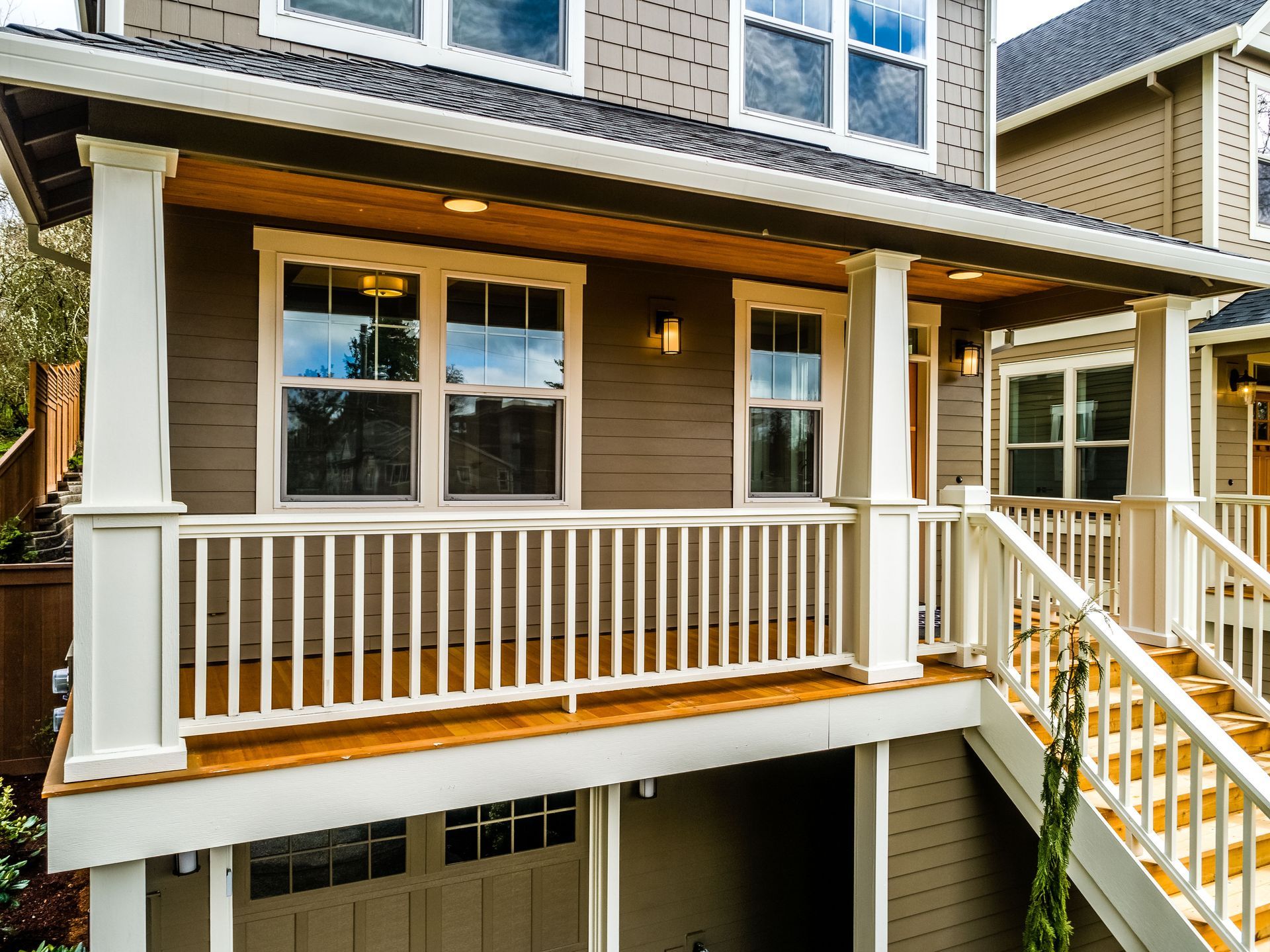
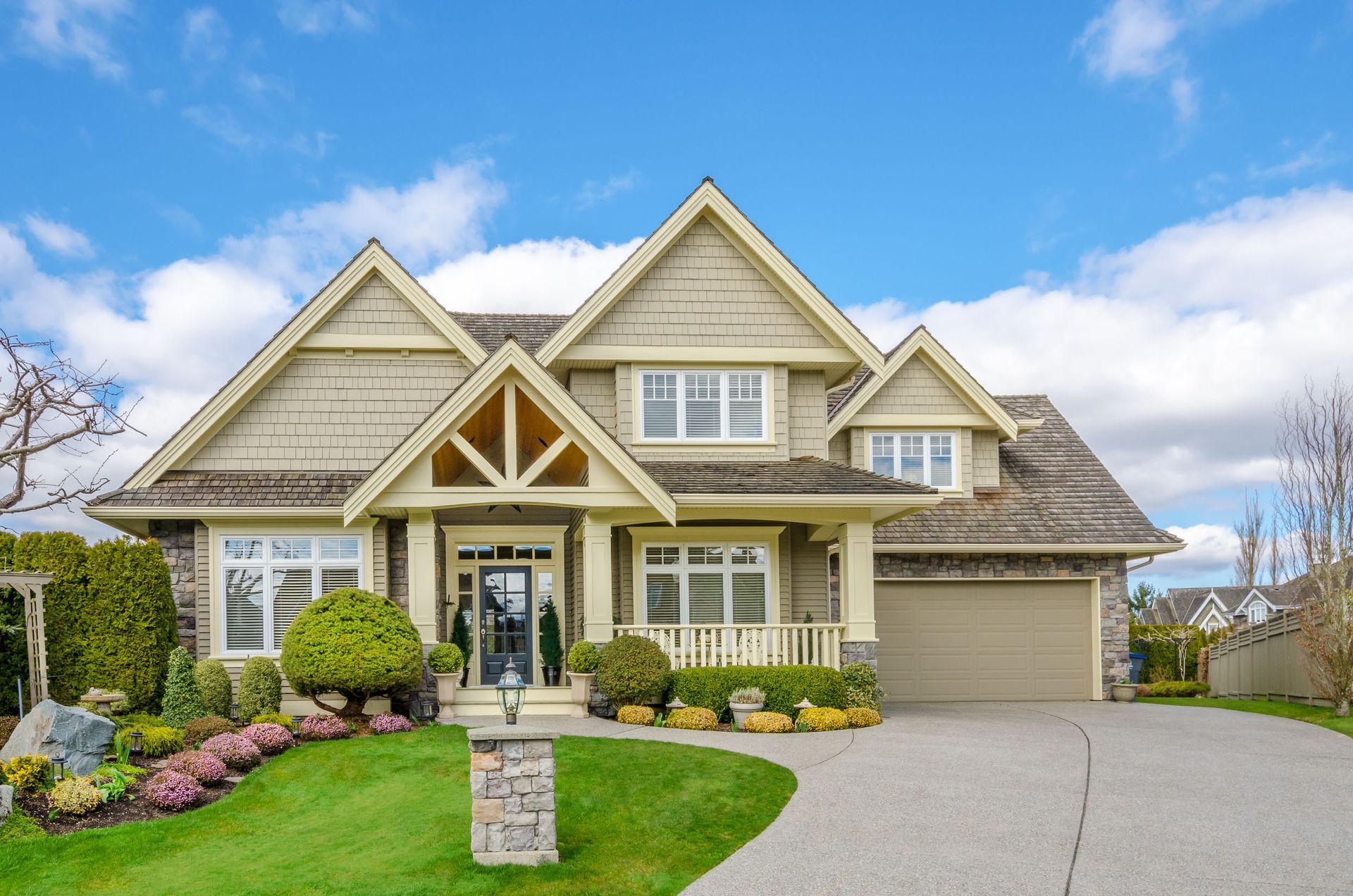
A portfolio can provide valuable insight into a builder's capabilities. Reviewing completed homes allows homeowners to see how different design concepts, materials, layouts, and architectural details have been incorporated into finished properties.
Pay attention to the quality and consistency of the work rather than focusing only on whether a particular home matches a preferred aesthetic. Strong craftsmanship should be evident across different projects and design styles.
When reviewing previous work, consider details such as:
- Exterior finishes and architectural features
- Interior trim and millwork
- Kitchens, bathrooms, and living spaces
- Flooring, cabinetry, and other finish materials
- Overall consistency in workmanship
Photos can be helpful, but seeing completed projects in person may provide an even better understanding of the workmanship. If possible, ask whether there are appropriate opportunities to view completed or recently finished homes.
It can also be useful to ask about projects that had unique requirements. This may reveal how well the builder handles customization rather than simply repeating the same floor plan and construction approach.
Assess Communication Practices
Clear communication can make a significant difference throughout a custom home project. Because homeowners are involved in many decisions, they need to understand what is happening, what choices need attention, and when important milestones are approaching.
During the initial conversations, consider how responsive and thorough the builder is. Does the builder answer questions clearly? Are explanations easy to understand? Does the conversation feel collaborative, or does it seem rushed?
These early interactions can offer clues about what communication may look like after construction begins. A custom home builder should be willing to discuss expectations and provide reasonable explanations about the process.
Homeowners should also ask how updates will be handled during construction. Some builders may prefer scheduled meetings, while others may use phone calls, emails, project management systems, or a combination of communication methods.
The specific method matters less than having a clear process. Knowing how questions, changes, decisions, and concerns will be communicated can help prevent unnecessary confusion as the project progresses.
Understand The Building Process
Every custom home project involves numerous moving parts. Understanding how a prospective builder approaches the construction process can help homeowners determine whether that approach fits their expectations.
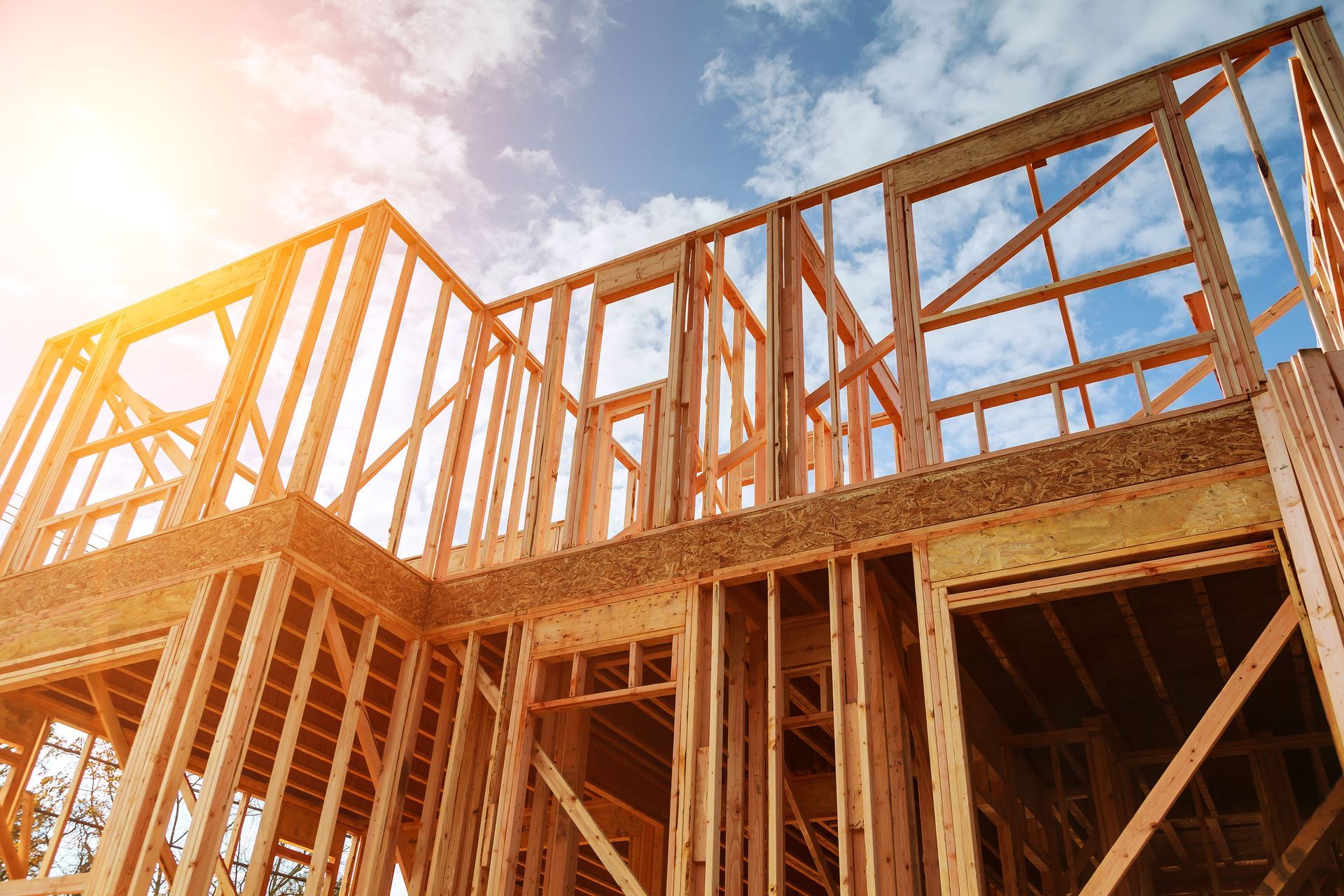
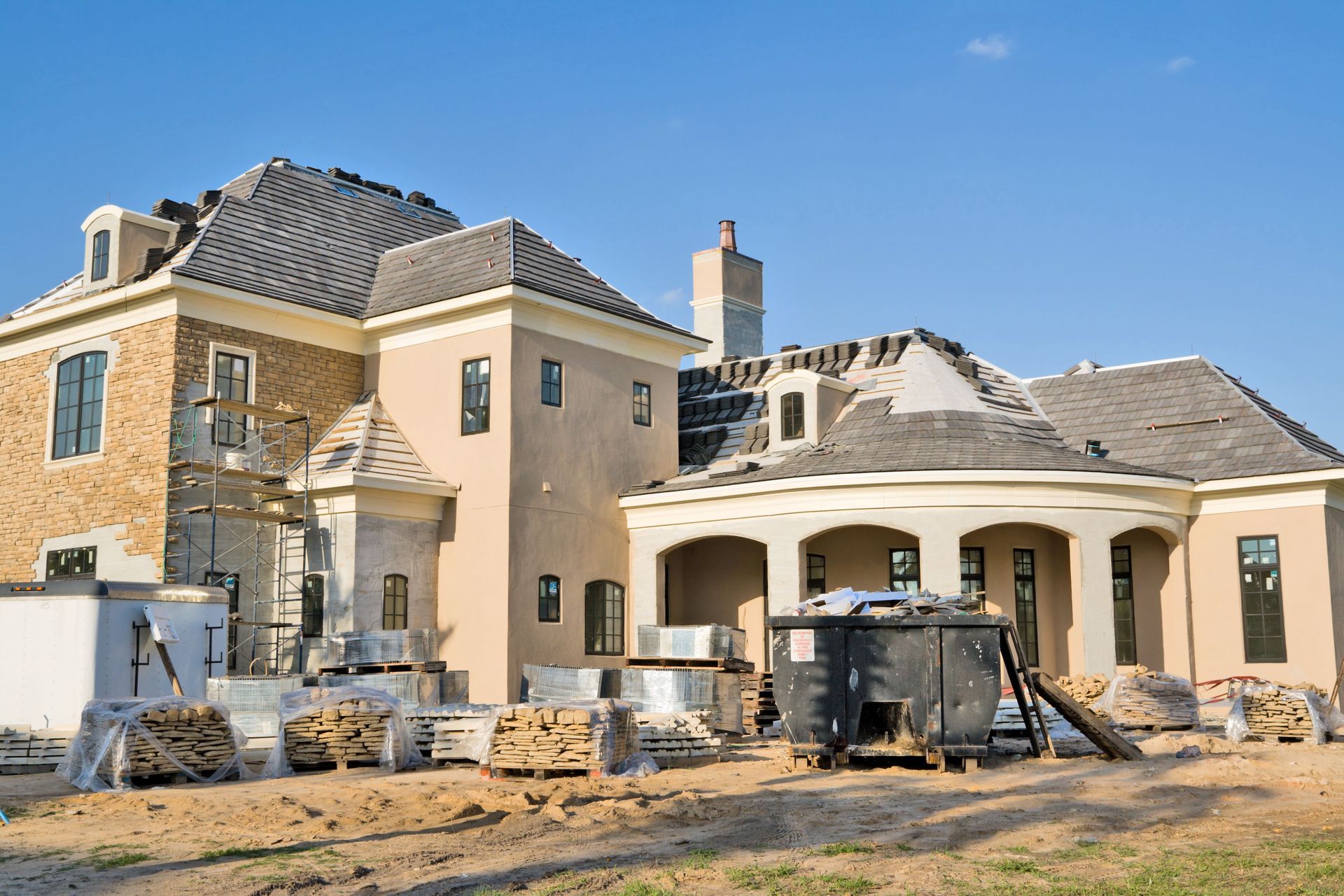
Ask how the builder handles design coordination, permitting, site preparation, material selections, subcontractors, inspections, and construction milestones. The answers can help clarify who is responsible for each stage and how different parts of the project connect.
A well-defined process can also make the experience easier to navigate. Homeowners should know when they will make major selections and when those choices need to be finalized.
According to Eye on Housing, custom homes account for nearly 19% of new single-family homes in the United States. This reflects the significant role personalized home construction plays in the residential market.
The goal is not necessarily to find a builder with the most complicated process. Instead, look for an approach that is organized, understandable, and appropriate for the scope of the home being planned.
Compare Project Expectations
Cost is naturally an important consideration when building a home, but comparing builders solely by an initial price can leave important questions unanswered. A meaningful comparison requires understanding what each proposal includes.
Review the scope of work carefully and ask questions about allowances, materials, labor, site-related considerations, and potential changes. Understanding these details can make it easier to compare proposals based on what is actually being provided.
Homeowners should also discuss how modifications are handled once construction is underway. Custom projects may evolve as decisions are finalized, so knowing how changes are documented and priced can help reduce surprises.
A good conversation about expectations should cover more than the construction budget. Discuss anticipated scheduling, homeowner responsibilities, material selections, design coordination, and the process for addressing unexpected circumstances.
Transparency is particularly important when comparing proposals. If something is unclear, ask for clarification before moving forward rather than assuming that an item is included.
Consider The Overall Fit
Even a highly capable builder may not be the right choice for every homeowner. Personal compatibility matters because custom construction involves frequent communication, collaboration, and decision-making throughout the project.
Consider whether the builder listens to your ideas and understands what you want the home to accomplish. A strong working relationship should allow homeowners to ask questions, express concerns, and discuss preferences without feeling dismissed.
It is also worth considering how the builder approaches problem-solving. Construction can involve unexpected conditions, design adjustments, or material-related issues. Pay attention to whether potential builders discuss these situations calmly and constructively.
References can provide another perspective. Speaking with previous clients may help homeowners learn more about communication, workmanship, organization, responsiveness, and the overall experience.
The right fit should feel like a partnership rather than a transaction. Homeowners are investing significant time and resources into the project, so finding a professional who understands their goals can make the process more productive and enjoyable.
A thoughtful selection process can also help establish realistic expectations from the beginning. Taking time to compare options, ask detailed questions, and understand each builder’s approach gives homeowners a stronger foundation for making decisions throughout the project and creating a home that feels genuinely personal.
Choosing a custom home professional deserves careful consideration before construction begins. Evaluate relevant experience, examine previous work, discuss communication practices, understand the building process, compare project expectations, and consider whether the working relationship feels right. When the builder aligns with your vision and expectations, the path from concept to finished home becomes easier to navigate. Ready to turn your plans into a home designed around you? Connect with Mountain Homes of WNC and take the next step toward bringing your custom home vision to life. We look forward to hearing from you!
Share On: